




Page Status: News

News

Second Ten-Colour for Williams Press

5 Feb 2006

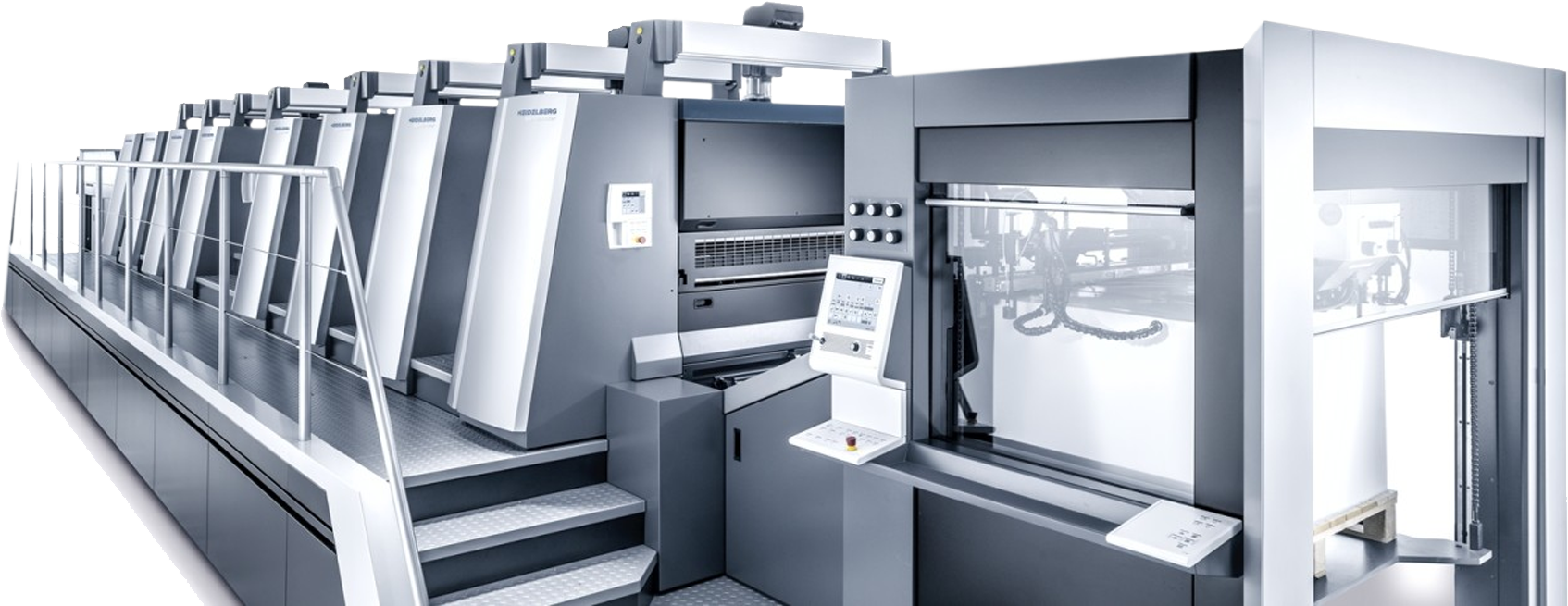
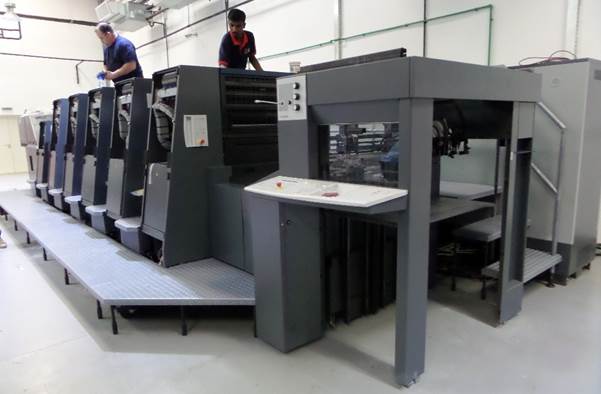
Magazine specialist Williams Press has installed its second ten-colour Heidelberg Speedmaster 102 at its Maidenhead, Berkshire premises.

Press Release
July 2005    
 

Second Ten-Colour for Williams Press

 
Magazine specialist Williams Press has installed its second ten-colour Heidelberg Speedmaster 102 at its Maidenhead, Berkshire premises. Both machines were purchased from the leading used machinery specialist, DPM, Westerham, Kent.
 
“Every printer has to look very hard at the current levels of profit being created by the business when considering new investments,” said Alan Touchard, managing director of Williams Press. “Whilst we could see the benefits of bringing long perfecting presses into our premises, we really couldn’t justify the cost involved for brand new equipment. Buying used machinery from DPM gave us a more realistic alternative.”
 
Mr Touchard confirmed that the magazine market for printers is still very tough and very competitive: “Even our long standing customers are keen to drive their costs lower and lower, and the competition is regularly knocking on the doors of our clients offering ever cheaper pricing. This round of investment will ensure that we stay ahead of the pack with regard to our productivity, and will help to ensure that our costs are kept at a sensible level.
 
“We have to be realistic, and buying used presses means that we use our money to best effect. The savings we have made mean that we will be able to bring in a second brand new Fuji Luxel computer-to-plate system, for example. This will not only mean that we can keep up with the demand for plates on the press, but give ourselves back-up in pre-press in case of any equipment failure.”
 
Such purchases illustrate that Williams Press is quite prepared to buy new equipment when there is a significant advantage in doing so. “There would be no benefit in buying used CtP products – the technology is still evolving. A second hand product would not give us the productivity of an up-to-date model, and would not provide the reliability that we need. With presses, things are a bit different – the technology is more mature. Whilst the very latest version will run a couple of thousand sheets per hour faster, most of the main components on the machine have not changed at all.”
 
The company installed its first ten-colour last year, and Alan Touchard and his team were so delighted with the performance of the product that they went back to DPM and asked them to source a second machine this year. “The economics of a ten-colour work well with the magazine printing market,” said Mr Touchard. “We can make the most effective use of our staff, with just two minders per press, whilst producing fully perfected sheets – sealed, if necessary, on both sides.”
 
Commenting on the sale of two ten-colour presses to Williams Press, Mark Sheldrick, managing director of DPM, said, “Ordinarily repeat business in this side of the industry could be several years apart and it is very unusual to sell two substantial pieces of equipment to the same company within such a short period of time. This second purchase just shows how committed Williams Press is to achieving the best possible production system.”
 
The second machine went in even more efficiently than the first, added Alan Touchard. “Our minders were already aware of what to expect – with the first press they had a learning curve to work through.” One particular issue that had to be worked through was the handling of 70gsm stock through the press. “Once we understood what adjustments needed to be made, running the lighter stocks on the second machine was much more straightforward.”
 
Because of the demands of the business, the company’s existing four and five-colour machines had to be retained during the installation of the second ten-colour. “We had acquired an extra unit next to our main factory, which made the whole process fairly straightforward, but there was no way that we could have taken out the two older presses until the new machine was installed,” Alan confirmed.
 
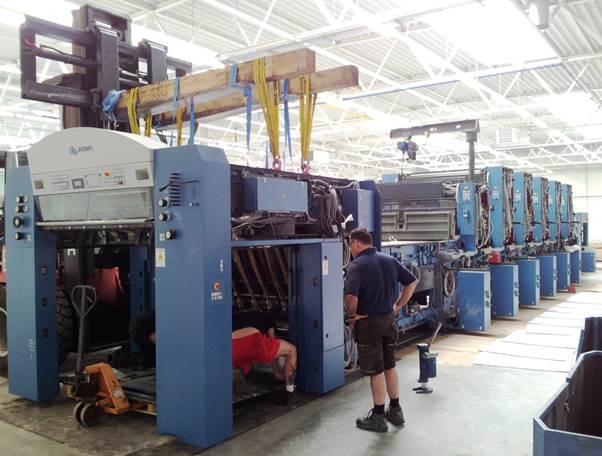
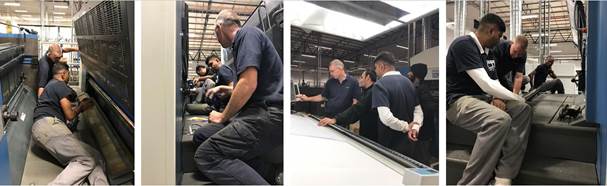
DPM’s Shedrick added, “Having such an extensive engineering department meant that we were able to install and commission the ten-colour whilst leaving the existing machines in production. After the machine was commissioned we were then able to remove the older presses, shifting production fully onto the new machine. We recognise that a print business still needs to produce – even with a more productive machine being installed, it prints nothing until the press is in and running.
 
“This is just another example of the way that DPM works in partnership with its customers. It is important to our business to be able to respond to customer needs and to build long term relationships with printers.”
 
Some 95% of the workload at Williams Press is magazine work, with 12 weekly titles and over 110 monthly publications being produced. Run lengths vary between 1,000 and 25,000 copies, though typical requirements are for 6,000 to 10,000 copies. Many of the company’s customers have been with them for a long period of time: “We have clients that have worked with us for 25 years,” commented Alan Touchard.
 
The current version of the company began life in 1973, with management taking over the running of the business from the BET conglomerate. The hot-metal-based business required serious investment to turn it into a litho-based profitable organisation.
 
“We were certainly under capitalised for the first ten years of trading,” said Alan Touchard. “But we have increased turnover by at least 600% during that time, and now exceed £5 million worth of business per year.” This total is theoretically increased when you consider the amount of paper that publishers’ supply – which would add nearly £2 million to the total.
 
Staffing figures reflect the changes in technology at the company – back in 1973 the business employed 116 personnel. The current number is 65, with the company now running 24 hours a day for six days a week.
 
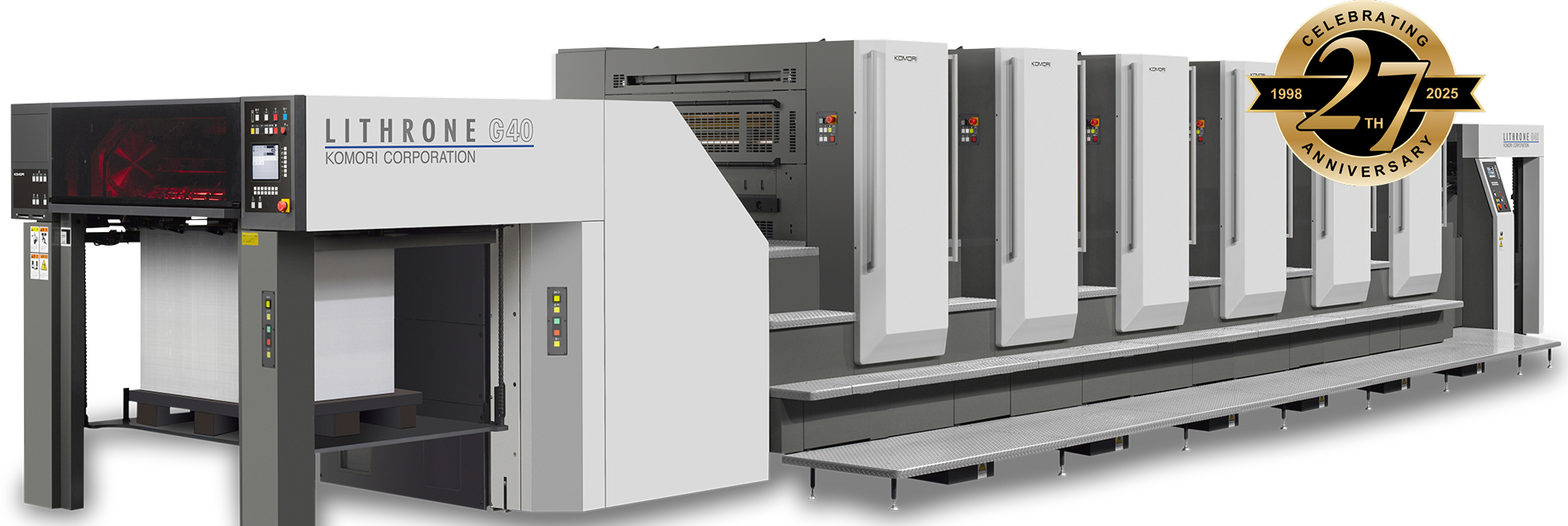
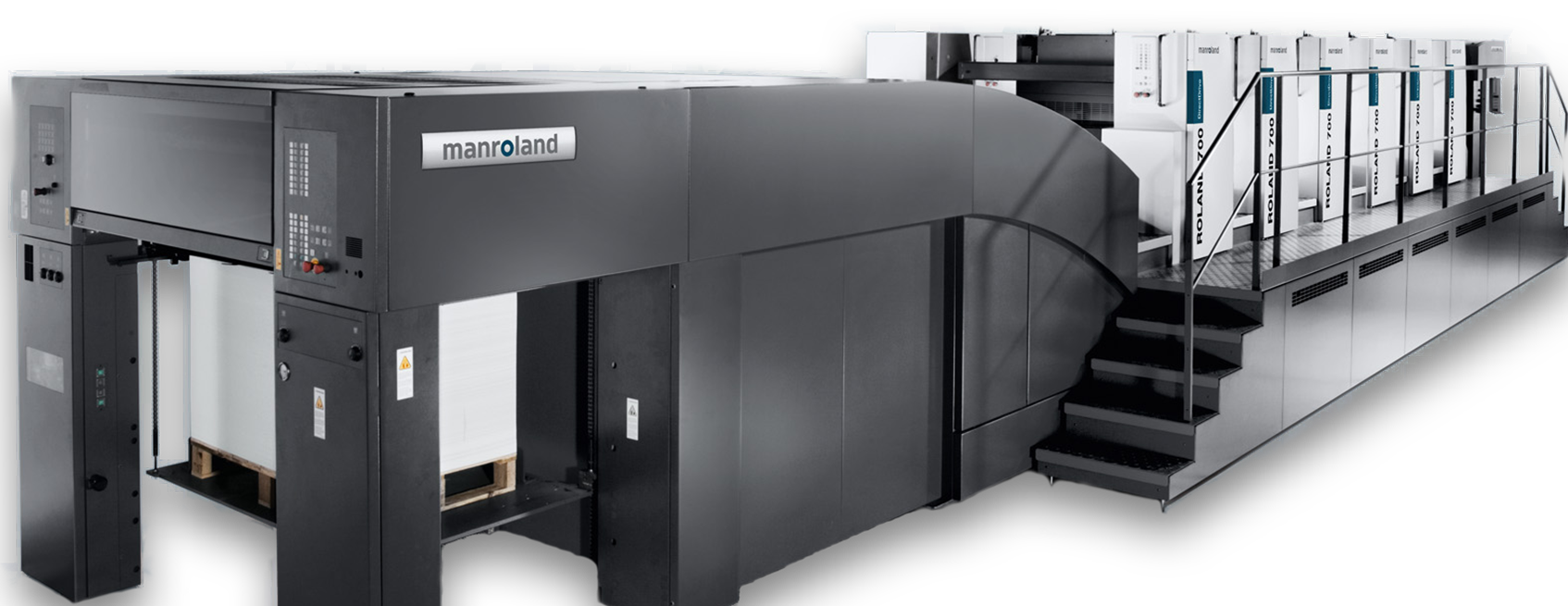
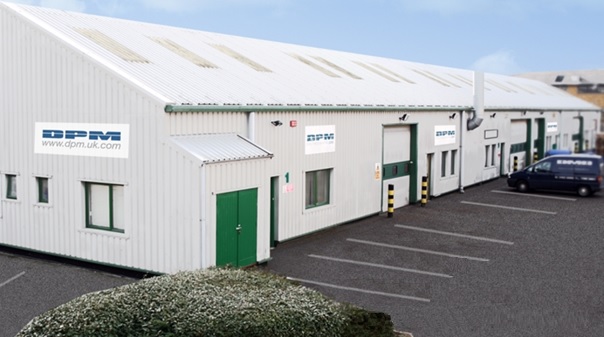
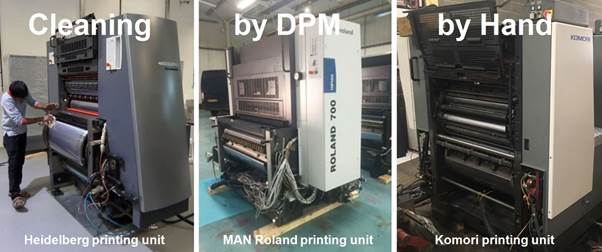
Six-year-old DPM handles used presses from all major manufacturers, including MAN Roland, Heidelberg and Komori. DPM’s company philosophy is based on quality, integrity and above all, honesty.

The aim of the company is to be recognised as the best supplier in the used machinery sector, and believe that this can only be achieved by conducting successful business over a long period of time and in all sectors of the market.

DPM’s experienced sales team have close contact with many companies worldwide meaning that they are often the first to hear of equipment when it becomes available. They use a purpose built computer system developed to search and locate equipment within minutes of receiving an enquiry. The system is updated hourly with new items and currently has over 20,000 products available worldwide.
 
For further information on Williams Press, call 01628 622 345 or visit the www.williamspress.co.uk web site.