




CGI expands as global supplier
13 Mar 2006
Just over one year on from a management buy out, CGI Europe continues to thrive as a global supplier in the print and communications market. Best known for its contribution within the financial print sector, the company is now keen to forge a name for itself within the high-quality commercial market.
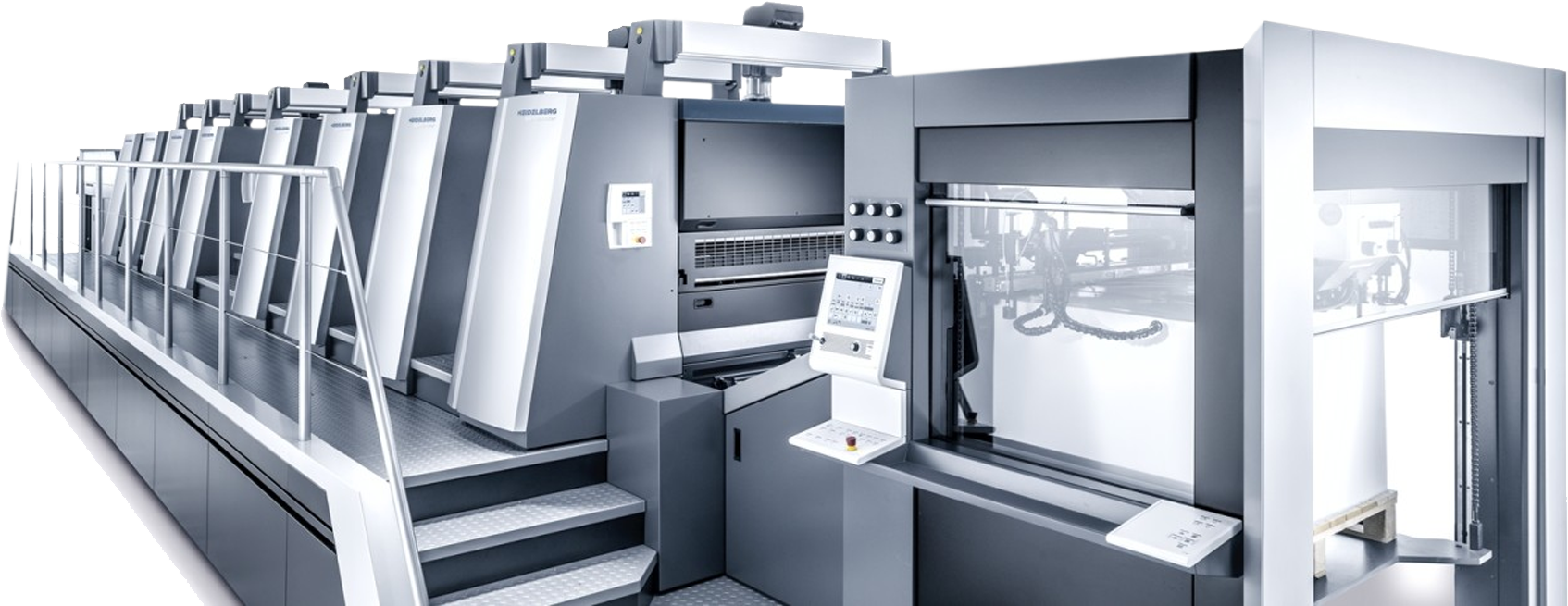
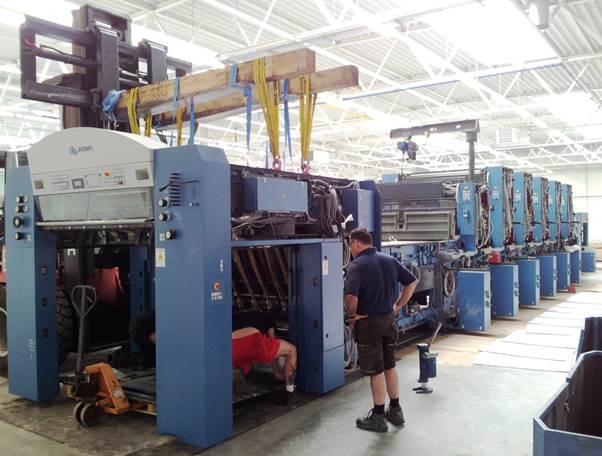
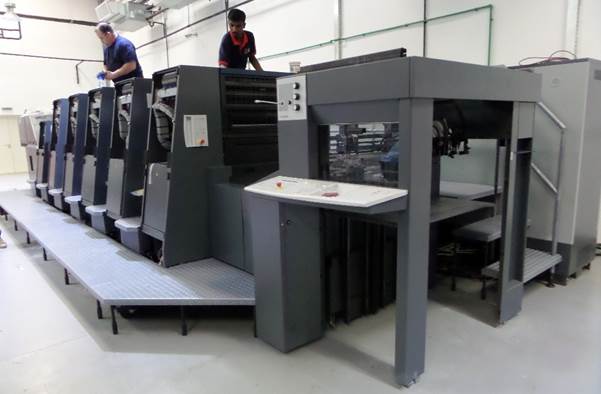
Just over one year on from a management buy out, CGI Europe continues to thrive as a global supplier in the print and communications market. Best known for its contribution within the financial print sector, the company is now keen to forge a name for itself within the high-quality commercial market. With this in mind, its latest acquisition – an eight-colour Heidelberg Speedmaster 102 – provides a suitable additional colour perfecting capacity.
With operations based in London’s Docklands, Hong Kong, Tokyo, Sydney, and, most recently, Manila, CGI is a global player of significant size. The group’s £22 million turnover – £11 million of which comes from the London site – provides the financial demonstration of its capabilities.
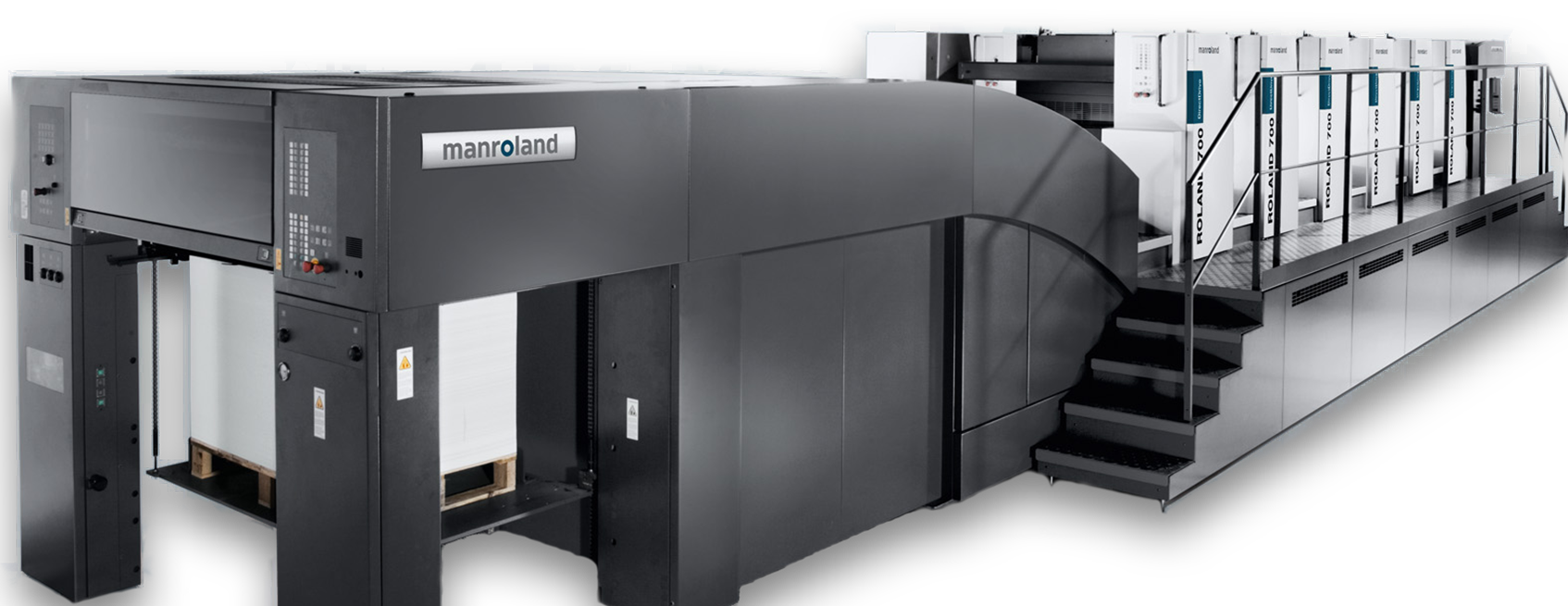
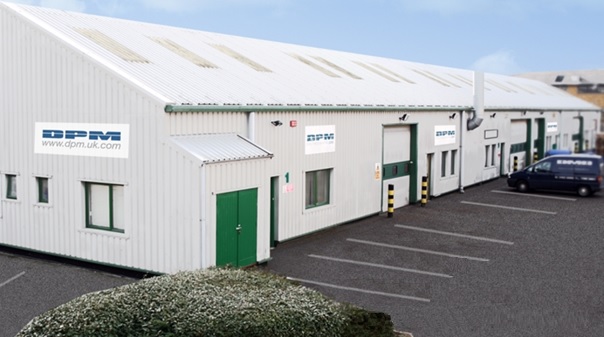
With such a profile in mind, it might come as something of a surprise to find that despite its shiny bright exterior, the above-mentioned eight-colour press is a “pre-owned” machine. Eyes might even widen further with the news that it is not alone. Three of the four other presses in the company’s litho printing hall have a similar background. These include a five-colour MAN Roland R700, a four-colour SM102, and two other four-colour Heidelberg machines. The one common factor with these machines: used machinery specialist DPM.
“DPM were already suppliers to the company when the current management joined the CGI business,” said chief executive John Croft. “They provide maintenance for all of our litho presses, and have always provided us with excellent machines, with the bonus that the presses that we have bought have been considerably less expensive than new machines.”
Group operations director, Barry Page, takes up the story: “Many printers perceive used equipment as a risky investment. In our experience, DPM take out the risk factor. If problems do surface after a press has been installed they are on site very quickly to make the necessary adjustments or fit a new part to the machine.
“Typically, any such problem surfaces pretty quickly after installation – in the same way as glitches arise with the installation of new presses.”
From the supplier’s perspective, Mark Sheldrick, managing director of DPM, added, “Our long standing relationship with CGI demonstrates our ability to supply quality used machinery time after time, and also highlights our service capability. Not only do we ensure that a used press is installed and working to the customers satisfaction, but, in the case of CGI, we continue to maintain the machines. That “full service” ensures that the customer keeps coming back to DPM for its requirements.”
CGI offers both litho and digital print production at its Docklands site, and demonstrates through another recent acquisition – an IBM 4100 digital print system – that it is also quite happy to invest in brand new equipment when the situation demands it. “The advances in digital print equipment continue at a great pace. There is no benefit in buying used colour equipment in this sector, because you are investing in old technology. Litho presses are more mature – there has been less significant development in the technology in recent years. Build quality has been to a very high standard for a number of years too, which means that our five year old eight-colour still has plenty of life in it.” said Barry Page.
In addition to smart purchasing thinking, CGI also demonstrates a keen marketing eye. Whilst its focus on the financial printing sector has given it a sharp service edge that many commercial printers would be keen to aspire to, the business has also extended its reach into facilities management. “We work closely with a customer when taking over their in-house printing capabilities,” says John Croft. “Often they have existing equipment with long leases. We honour these contracts, of course, but with a view to replacing inefficient equipment with more modern and more productive solutions of our own selection over time.” Two typical examples of CGI’s facilities management can be found at the leading construction company Bechtel and at the charity Cancer Research UK.
Another growing area of work that the company is keen to expand further comes under the current marketing “buzz-phrase” of Business Process Outsourcing (BPO). “This is about being more than just a printer,” explains John Croft. “Our facility in Manila, for example, handles the production of documents for some well known banking names. We receive their raw data, manipulate and process that information, then print the documents globally and handle the distribution of the finished work. This same method is used for printing statements and invoices as well. Quite simply, it’s about handling a full “business process”, not just about putting ink on paper.”
The company has also been keen to spot the potential for adding digital print capabilities to its litho printing operation. “Digital has a lot to offer,” says Barry Page. “It’s not just about digital versus litho though – often the two technologies will come together in one job. A full-colour litho printed piece of sales literature perhaps, which is accompanied by a digitally printed personalised covering letter. We can produce both components here, on-site, including the necessary finishing, and then package and mail the final job as well. With all this resource in house, CGI is having considerable success in the direct marketing sector.”
Operating on a 24-hour basis for six-days per week, with the addition of Sunday work as and when required, CGI is keen to stress one of its core strengths – fast turnaround of time critical work. “With a background of working in the financial sector, we are all too aware that a supplier needs to be able to move quickly, delivering top quality work on time. It is certainly unlikely to see any one job in our facility for more than one day,” says John Croft. “The Blue Chip businesses that we deal with demand that sort of service, as well as a high level of confidentiality. The investment in the new eight-colour press, and our continuing relationship with DPM, will further advance our ability to produce work at the highest possible production speeds.”